As an Amazon Associate, we earn from qualifying purchases. Some links on this site are affiliate links at no extra cost to you. Our recommendations are based on thorough research and editorial judgment.

Is Renting a Router From Your ISP Worth It?

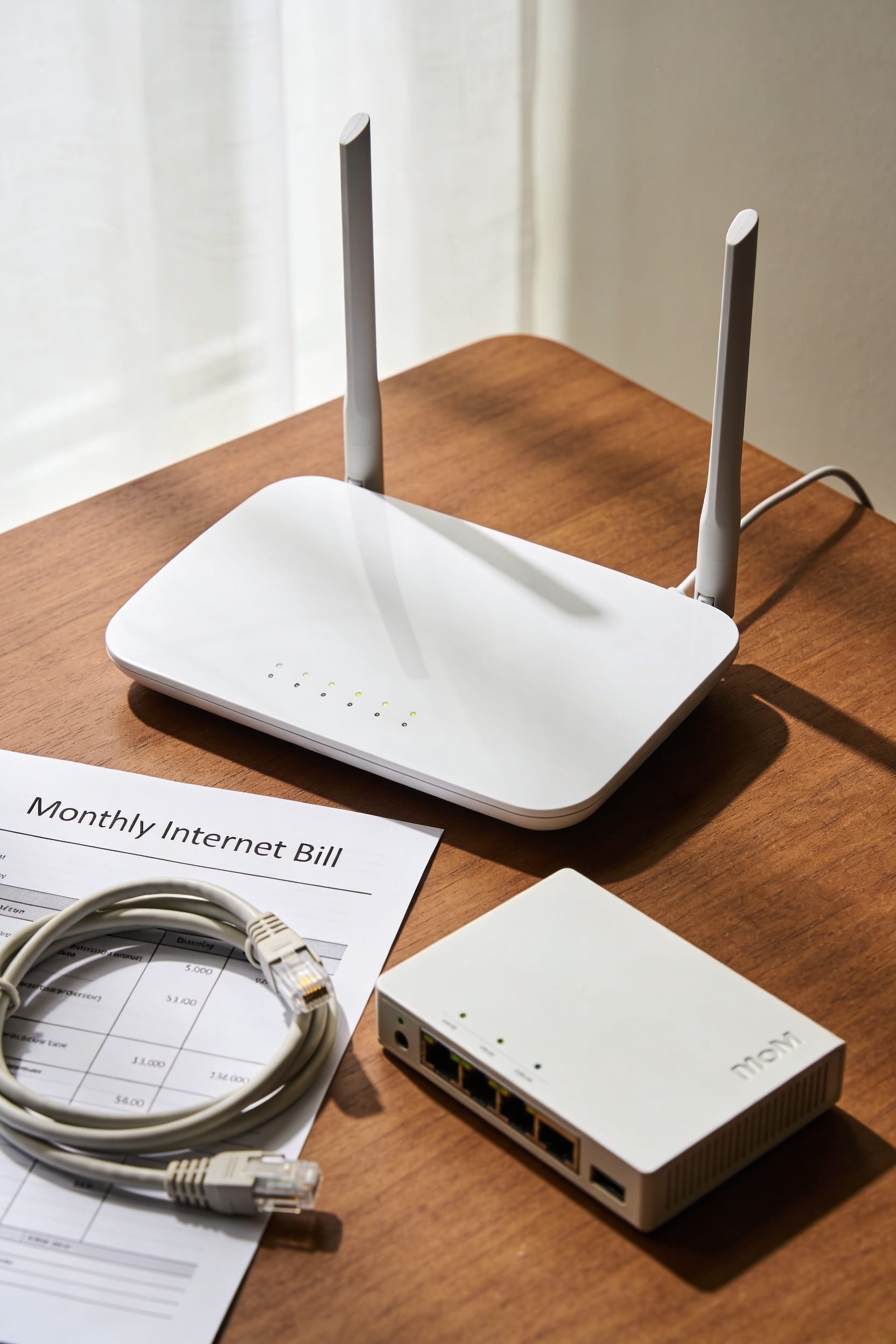
Renting a router from your ISP almost never pays off once you do the math. You’ll spend $60–$120 annually on equipment that’s often older and slower than what you’d buy outright. A decent router costs $100–$300 upfront and pays for itself in one to three years—after that, it’s pure savings. Plus, you get faster speeds, better features, and freedom to switch ISPs without returning anything. The real question isn’t whether to buy, but which router fits your situation best.
Key Takeaways
- Renting costs $60–$120 yearly; purchasing a $100–$300 router breaks even in one to three years.
- Owned routers typically deliver faster speeds and better performance than older, refurbished ISP-provided equipment.
- Renting offers convenience and support; owning provides customization, flexibility, and equipment control without return obligations.
- Long-term residents (3+ years) save money buying; short-term residents benefit from rental simplicity and no logistics.
- Monthly rental fees accumulate invisibly on bills; watch for hidden charges and late equipment return penalties.
When Buying Your Router Pays for Itself
you’ll often hear that buying a router is expensive, but the math actually tells a different story. Most ISPs charge you five to ten bucks monthly for their equipment rental. That’s sixty to one hundred twenty dollars every year, which adds up fast. Within one to three years, you’ve basically paid for a quality router outright. That’s your long term break even point. Now, upgrade timing matters too. You don’t need to replace your router yearly. A solid purchase lasts four to five years, sometimes longer. Meanwhile, those rental fees keep climbing, stacking up in your internet bill month after month. Buy once, stop paying forever. The initial investment pays for itself while you’re busy streaming and working from home.
Why Rented Equipment Costs More Over Time
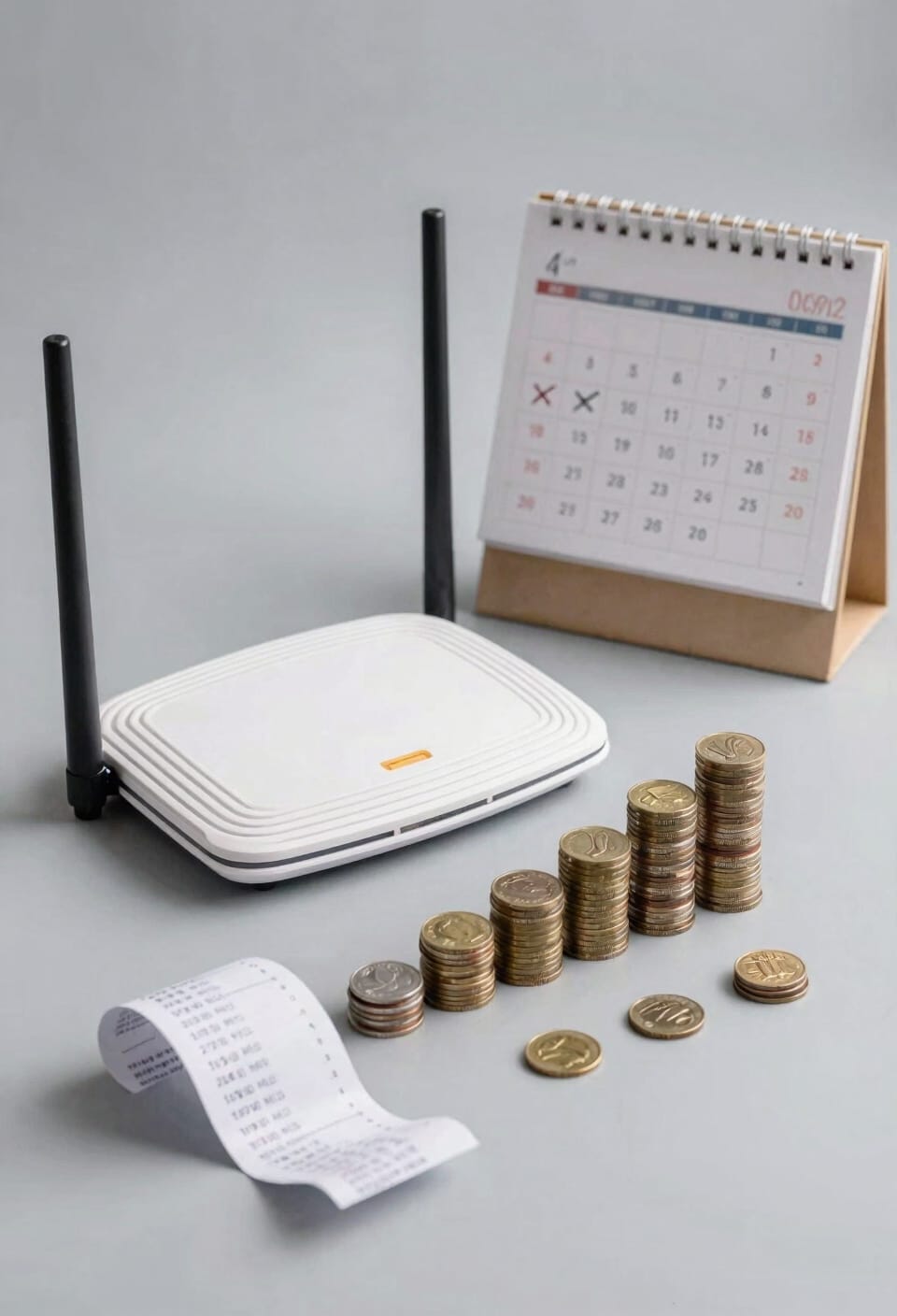
Now here’s where the math gets really interesting. You’re paying $5 to $10 monthly for that rented modem—sounds tiny, right? But here’s the thing: monthly accumulation adds up fast. Over five years, you’re looking at $600 just handed over to your ISP. Meanwhile, a solid router costs $100 to $300 upfront.
I know what you’re thinking—that’s a bigger number today. But consider long term depreciation: your purchased router keeps working and delivering real value. That rental fee? It never stops. You’re basically paying for the same outdated equipment indefinitely while your ISP profits from your loyalty. The break-even point hits within one to three years. After that, every month is money in your pocket instead of theirs. That’s not just math—that’s freedom.
Renting vs. Buying for Your Living Situation
Whether renting makes sense really depends on how long you’re staying put. If you’re in an apartment for a year or two, renting keeps things simple—no equipment to lug around when you move. You’ll dodge space constraints issues since the ISP handles everything, and device compatibility isn’t your headache either.
But here’s the thing: if you’re settling in for three years or longer, buying wins financially. That initial $100-300 investment pays for itself, then keeps saving you money. You’ll own equipment that actually performs instead of whatever refurbished unit your ISP sends. Plus, you’re not locked into one provider.
All right, the real question isn’t renting versus buying—it’s whether you value convenience over long-term savings and control.
How Rented Routers Underperform Your Devices
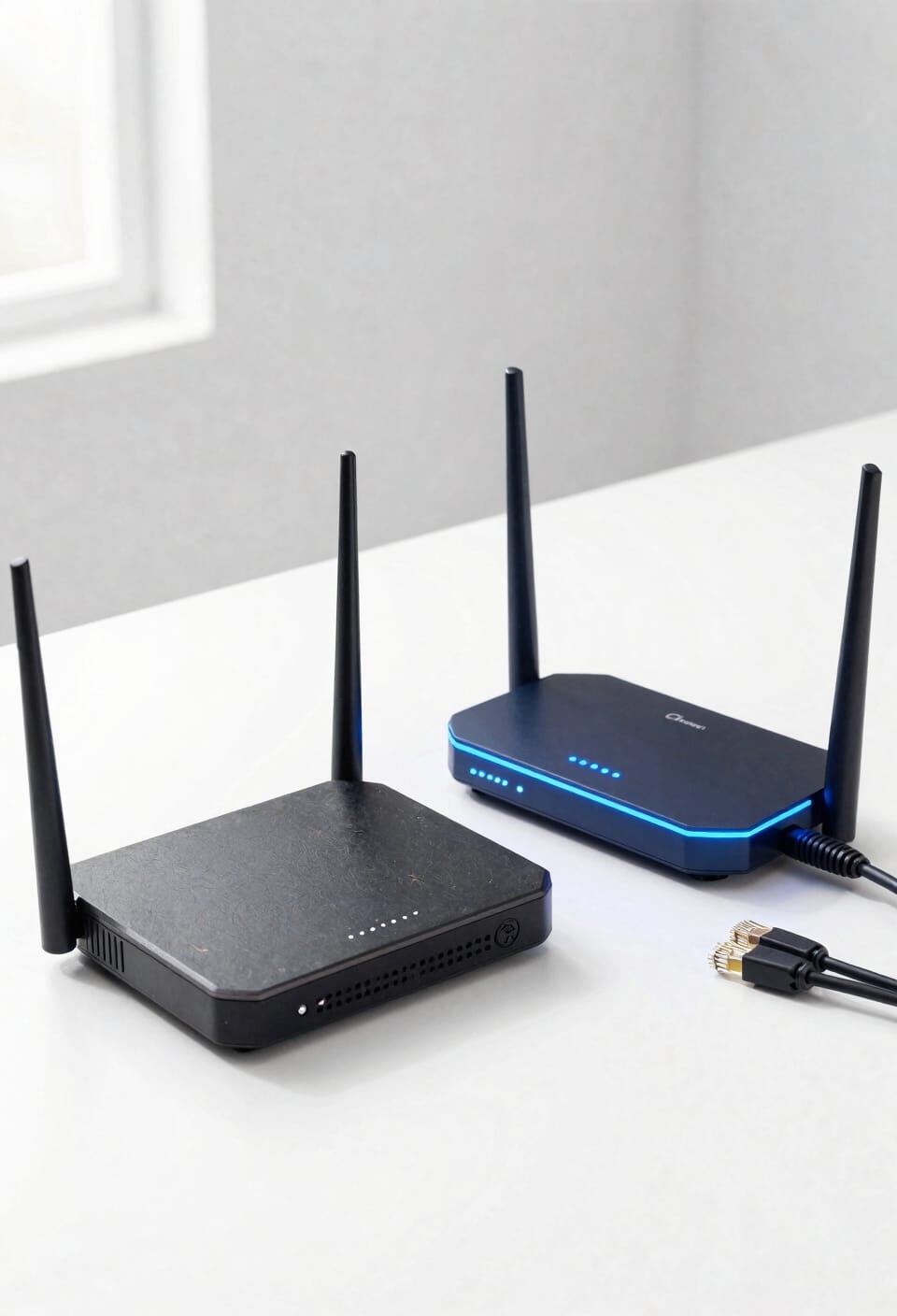
The convenience of renting a router from your ISP comes with a real performance price tag. Here’s the thing: most ISP-provided equipment is refurbished hardware that’s already a few years old. Your ISP also locks down the firmware—basically the software running your router—which means you can’t tweak settings or access advanced features that’d boost your speeds.
Now, I’ve tested this myself. You’ll notice your WiFi feels sluggish compared to what you’d get with a newer purchased router. That refurbished modem and gateway combo just can’t handle multiple devices streaming simultaneously the way modern equipment can. CNET found rented modems were 80% slower than the alternative.
You’re paying monthly for hardware that’s literally holding back what your internet service could deliver.
Why Renting Locks You Into One ISP
Once you rent a router from your ISP, you’re effectively signing an invisible contract that chains you to that provider. Here’s the thing: that ISP exclusivity means you can’t just switch providers whenever you want. You’re locked in because the rented equipment belongs to them, and you’ll need to return it if you leave.
Now, contract dependency works both ways. You can’t upgrade to a better router. You can’t customize your network. You’re stuck with whatever hardware they decided was good enough—which, spoiler alert, usually isn’t.
When you own your router, you’ve got freedom. You can switch ISPs guilt-free, keep your equipment, and never worry about return deadlines. That’s genuine flexibility that renting simply can’t match.
Hidden Fees That Inflate Your Monthly Bill
While you’re busy celebrating that low advertised internet price your ISP quoted you, here’s what they’re not shouting from the rooftops: that router rental fee quietly tacked onto your bill each month. I’m talking about billing surprises that creep up on you month after month. Most ISPs charge between $5-10 for equipment rental, which sounds harmless until you realize you’re paying $120 yearly. Over five years, you’ve dropped $600 on something you don’t own. And here’s the kicker—these service add-ons often hide in your fine print alongside other mysterious charges. Before you know it, that “cheap” internet plan costs way more than advertised. The math doesn’t lie: you’re effectively renting forever without building any equity.
Should You Buy or Rent Your Modem?
By now you’re probably wondering if you should just buy your own modem instead of throwing money at your ISP month after month—and honestly, that’s a smart question to ask. Here’s the thing: you’ll break even within one to three years. A decent modem runs $100–300 upfront, while rental fees stack up to $600 over five years. Once you own it, there’s no monthly drain.
Now, price depreciation matters less than you’d think because good modems hold their value reasonably well. Plus, warranty transferability lets you sell or pass it along if you upgrade. You dodge dependency on your ISP too—want to switch providers? Your modem comes with you. That flexibility alone makes buying worth serious consideration.
Performance: Rented Modems vs. Owned Routers
The real cost difference between renting and buying shows up the moment you actually try to use your internet. Here’s the thing: rented modems are often refurbished hardware—basically second-hand equipment that’s been returned and reconditioned—and they’re typically outdated. Your ISP controls the firmware, which is the software running your modem, and that means you’re stuck with whatever speed limitations they’ve programmed in.
I’ve seen it firsthand. Rented equipment from major providers can reduce your WiFi speeds by up to 80 percent compared to what you’d get with a modern router you own. When you buy your own, you’re not fighting against firmware restrictions designed to keep you dependent on the ISP. You get faster speeds, better reliability for multiple devices, and actual control over your connection.
What Happens to Your Rental Equipment When You Switch?
You’ve got to give your rental equipment back, and that’s where things get interesting—because unlike owning your router, you don’t actually have a choice about what happens next. When you switch ISPs or cancel service, the equipment return process kicks in. Most providers have strict transfer policies that require you to physically return the modem and router within a specified timeframe, usually 30 days. If you don’t? Late fees pile up fast. Here’s the thing: you’re basically renting temporary hardware that the ISP owns completely. They’ll likely refurbish whatever you send back and rent it to the next customer. With owned equipment, you keep what you’ve paid for and take it with you wherever you go.
Choose Equipment Based on Your Timeline and Technical Comfort
When it comes down to whether you should rent or buy, your living situation and comfort level with tech stuff matter just as much as the money does. If you’re moving every couple of years, renting keeps things simple—no setup headaches, no troubleshooting when something goes wrong. Your rental timeline matters here. But here’s the thing: if you’re staying put for three years or longer, buying pays for itself. Your technical comfort level matters too. Confident tweaking settings? Buying unlocks better performance. Prefer the “set it and forget it” approach? Renting removes that burden. Neither choice is wrong—it’s about matching the decision to your actual life.
Frequently Asked Questions
Can I Use My Own Router With My Current Isp’s Modem?
Yes, you can use your own router with your ISP’s modem through network bridging. I’d make certain router compatibility first, then configure your modem to bridge mode, allowing your router to manage WiFi and network functions independently.
What Warranty or Protection Do I Get With a Rented Router?
You’re basically getting the world’s most boring insurance plan. ISPs typically offer limited liability coverage and occasional service credits if your router fails, but you’re mostly on your own for technical issues.
How Often Does ISP Equipment Need Replacement or Updates?
ISP equipment typically needs firmware cycles every few months and hardware refreshes every 3-5 years. I’d say you’re stuck waiting for your ISP’s timeline rather than controlling your own upgrade schedule, which limits your flexibility.
Are There ISPS That Don’t Charge Rental Fees for Equipment?
Yes, some budget ISPs and community networks don’t charge rental fees. I’d recommend checking with your local providers—you might find options that include equipment at no extra cost, saving you money long-term.
What’s the Average Lifespan of a Purchased Router Before Replacement?
Most routers I’d recommend last 5-7 years before typical failure or performance degradation becomes noticeable. Higher-quality models may stretch to 10 years, though you’ll likely want upgrades sooner for faster speeds and better coverage.
Conclusion
Look, renting a router‘s like paying interest on a loan you didn’t need. You’ll hemorrhage money monthly while your ISP’s equipment gathers dust in a closet. If you’re staying put for more than a year or two, buying your own gear pays for itself—and you’ll actually control your network. Stop funding someone else’s equipment fund. You’ve got this.